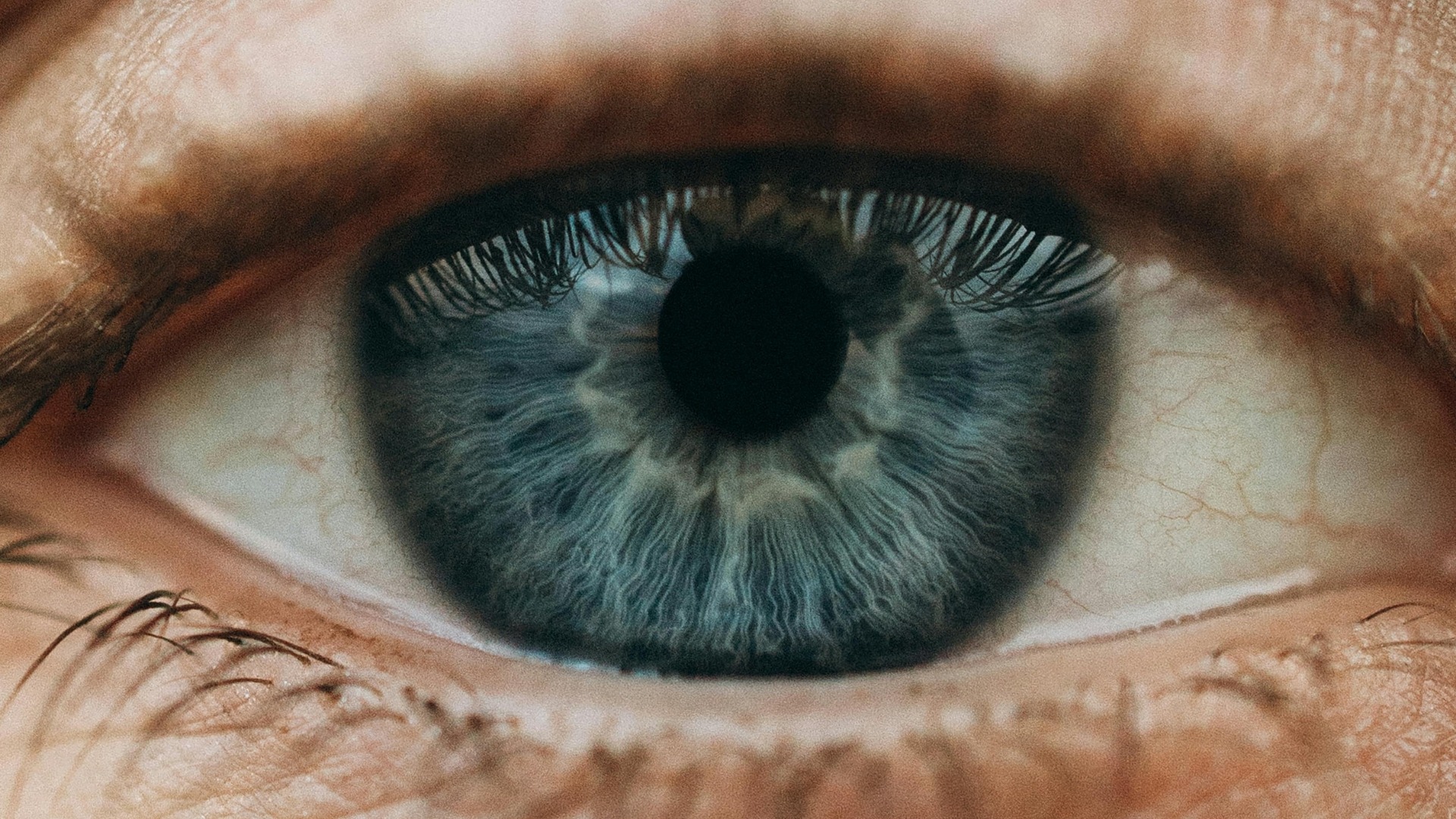
There is a word in the Dictionary of Obscure Sorrows — a compendium of invented but immediately recognizable feelings — called sonder. It means: the sudden realization that every passerby has a life as vivid and complex as your own. The word was invented because we needed it. Because we forget, constantly and without shame, that the people around us are people.
I was on a bus last winter, watching rain drag itself down the window, when the woman across the aisle got a phone call. She answered, said one word — “yes” — then pressed her hand flat against her sternum like she was checking that something was still inside. She rode the next four stops staring at nothing. I will never know what happened. But in that moment I felt the full, staggering weight of her being alive in a way I rarely feel about strangers — or, if I’m honest, about people I know well.
Most of the time, the humans around us are scenery. We have to make them scenery just to function — you can’t grieve for everyone at a bus stop or you’d never get off the bus. But somewhere between full emotional exposure and total numbness, there’s a middle mode that feels more honest. A way of moving through the world that keeps the door slightly open.
To see a person — really see them — doesn’t require knowing their story. It only requires believing they have one.
The Practice of Noticing
Seeing the humans around you is less a feeling than a habit. Like most habits, it starts with attention — the deliberate kind, not the kind that just happens. It starts with looking at people long enough to see past their surface function: the barista who makes your coffee, the man on the phone outside your office, the child sitting too still in a waiting room.
Try this: the next time you’re in a public space, pick one person at random — not someone doing something unusual, just an ordinary person doing an ordinary thing — and give them thirty full seconds of quiet attention. Not staring, not analyzing. Just noticing. You’ll find, almost every time, that something opens up. A small detail resolves: the way someone holds their bag like it’s precious, the way another person mouths words while they read. These details are always there. We just don’t usually stay long enough to see them.
Simple Ways to Practice
- Make eye contact and smile first — see what comes back
- Ask one real question to someone you interact with daily but don’t know
- Before assuming someone’s mood is about you, imagine what their morning might have been
- When someone frustrates you, silently name one thing they might be carrying that you can’t see
- Notice the small rituals people have in public — they reveal a whole interior life
Why It’s Hard
Our phones have given us a beautiful out. Any moment of social discomfort — waiting, sitting alone, standing in a line — can be disappeared into a screen. This isn’t evil. Sometimes it’s genuinely necessary. But it comes with a cost: we’re losing our tolerance for the mild, unstructured intimacy of simply being among people. The idle glance, the shared moment of irritation at a delayed train, the involuntary eye contact with a stranger’s crying baby. These small human transmissions used to be the background radiation of daily life. Now they feel like interruptions.
There’s also something more uncomfortable: seeing other people clearly means accepting that they’re having experiences we know nothing about, that their worlds don’t center on us. For people who’ve spent years crafting a very specific self-image, this can feel destabilizing. The man who cuts you off in traffic has reasons — not good enough reasons, maybe, but reasons. The colleague who didn’t acknowledge you in the hallway wasn’t thinking about you at all. Real sight requires giving up the story that we’re at the center of every scene we’re in.
What Opens When You Do
Here is the surprising thing: learning to see the humans around you is not a burden. It feels like one in theory — all that grief and complexity, all those extra lives to hold. But in practice it tends to do the opposite. It makes the world feel more inhabited, more generous. You start noticing small kindnesses everywhere. You feel less alone in difficult moments because you’ve developed the skill of finding the other difficult-moment-havers in any room.
And occasionally — not always, but occasionally — you get something extraordinary. A real moment with a stranger. A conversation that wasn’t supposed to happen. Someone trusting you with something true because you were paying attention in a way that made them feel worth paying attention to.
The woman on the bus never looked my way. I don’t know her story, and I never will. But I carried her with me the rest of that day in a way that made me softer with the people I did know. That’s what seeing does. It doesn’t just change your relationship with strangers. It changes the quality of your attention altogether.
And attention, it turns out, is the closest thing most of us have to love.